




Cross-Border Phygital Library
Authors: Shen Henghua and Tan Zehan
Brief Introduction
This project focuses on digital resource sharing and intelligent library service innovation in the Guangdong-Hong Kong-Macao Greater Bay Area. It has developed a Cross-Border Phygital Library that integrates the metaverse, AI and large language models (“LLMs”). Through a 3D virtual library space that integrates virtual and physical environments, the platform connects physical library resources across multiple locations in the Greater Bay Area, enabling services such as shared reading, cross-border borrowing, digital exhibitions, and AI librarian consultations for over 60,000 e-books and 4,268 types of periodicals. Users can browse books and participate in exhibitions in real time within the virtual space, enabling genuine connectivity, joint development and shared use of library resources across the Greater Bay Area.
Example Display Scenarios
1. Phygital Library Experience
This platform has constructed a digital library space with 1:1 real-scene restoration, integrating virtual-real interconnection mechanisms to achieve functions such as intelligent double-sided access bookshelves, personalised private collection spaces, and AI LLM-powered guidance services. Together with the library navigation system, these functions form a complete virtual library service ecosystem, supporting customised personal collections and guided knowledge exploration.
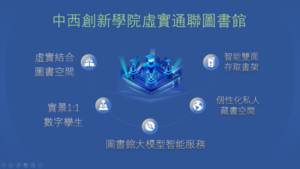
Figure 1. Overview of the Functions of the Phygital Library System
| 中西創新學院虚實通聯圖書館 | Macau Millennium College Phygital Library |
|
虚實結合 圖書空間 |
Phygital library space |
|
智能雙面 存取書架 |
Intelligent double-sided access bookshelves |
|
實景1:1數字攣生 |
1:1 real-world digital twin |
| 個性化私人藏書空間 |
Personalised private collection spaces |
| 圖書馆大模型智能服務 | LLM-powered intelligent library services |
2. Development of a 3D Library Space Integrating Virtual and Physical Environments
Based on virtual 3D technology, the platform creates an immersive library environment. Drawing on the architectural style of Guangdong University of Science and Technology’s library, it designs a seven-storey space covering reading rooms, lecture halls, exhibition areas and personal study rooms. The system supports free-view switching and navigational roaming. Readers can use virtual avatars to explore the library and interact with elements in the scene, enhancing the realism and engagement of the virtual reading experience.
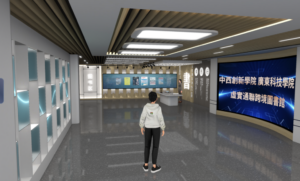
Figure 2. Virtual 3D Library Scene
3.AI Library Consultation System Powered by an LLM
The platform has a built-in AI librarian powered by an LLM. It supports multiple forms of human–computer interaction, including voice and text, and provides services such as intelligent guidance, resource recommendations and answers to questions about borrowing procedures. Users can start a conversation simply by approaching the AI librarian or clicking an icon, creating a more human-centred and context-aware digital reference consultation experience. The platform also supports virtual guide screens and online exhibitions. Users can freely visit virtual exhibition halls and move quickly between different exhibition areas and themed spaces through the navigation system. Together with digital guide screens, this creates a synchronised virtual–physical exhibition experience.
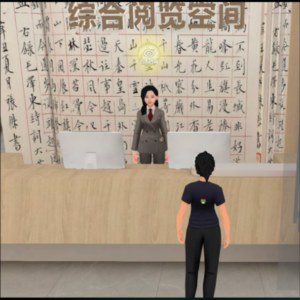
Figure 3. AI Virtual Librarian Consultation System
This project is dedicated to creating a cross-border virtual library that integrates intelligent technology and cultural connotations. By breaking through geographical limitations, it promotes the joint development and sharing of library resources among universities and public institutions in the Greater Bay Area, creating a new model and a new landscape for future smart education, digital reading and cultural communication.